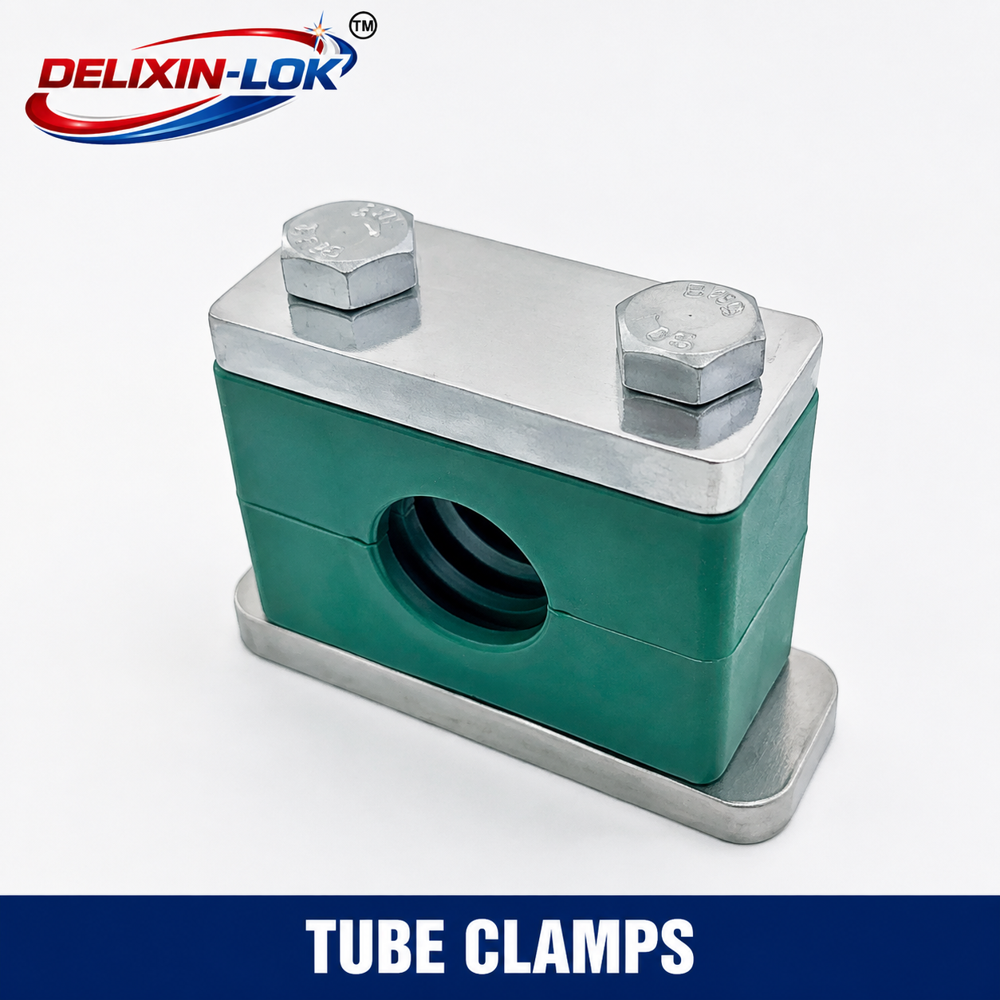
About Polypropylene Pipe Clamp
- Long service life
- Reliability
- Corrosion resistance
- Brand: DELIXIN-LOK
- Equivalent To: STAUFF, SWAGELOK, PARKER
- Material: Usually SS304, SS316L is available if customized.
- Size: 1 /4 to 2 6 mm to 76.1 mm
- Standard: 3A, DIN, SMS, ISO, RJT, DS, BS, BPE, IDF
- Temperature: -10 to 120 centigrade
- Pressure: 58.8-98 pa
- Process: investment casting+mirror polishing+assembling
The different ways in which our products are packed are:
- Wooden Crates
- Wooden Boxes
- Carton boxes
- Shrink-wrapped
- Wooden Pallets
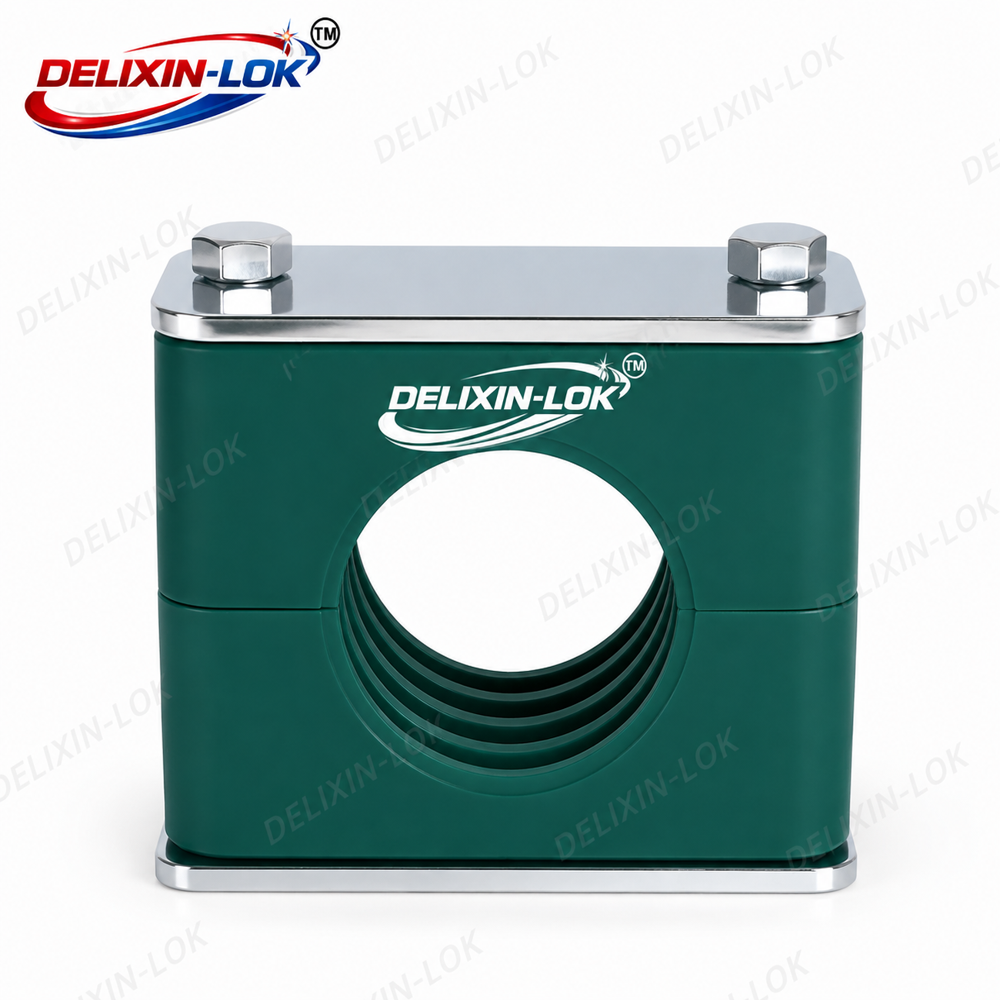
Consistent Performance Under PressureThese pipe clamps are built to handle both standard and heavy-duty loads, thanks to high compressive and tensile strength of polypropylene paired with galvanized steel plates and bolts. They reliably secure piping even in rigorous industrial environments, reducing mechanical stress and extending system longevity.
Noise and Vibration ReductionThe clamp's design significantly reduces vibration and noise transfer, providing a quieter and more stable operation for hydraulic and pneumatic systems. This feature is particularly advantageous where operational noise must be minimized, such as in precision workshops and sensitive facility environments.
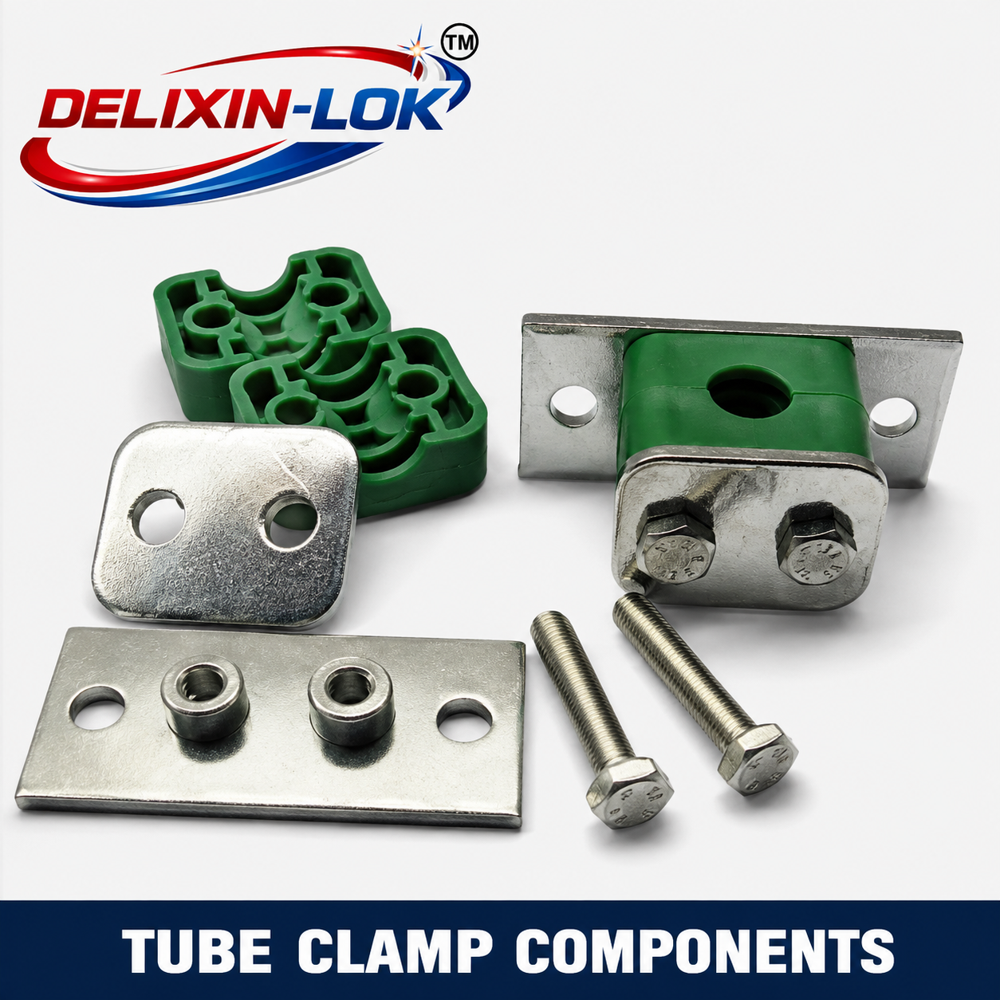
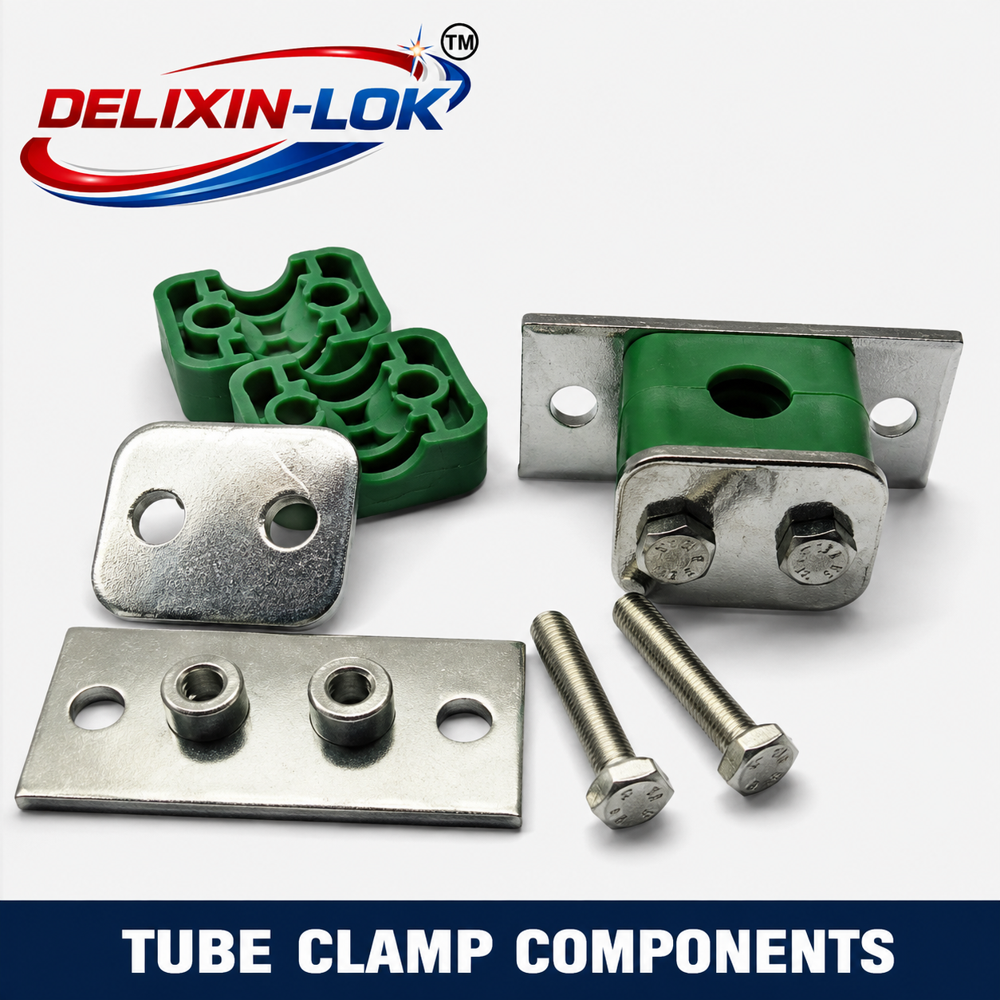
Simple, Versatile InstallationWith bolt-on installation and the choice of direct mounting or welding a base plate, these clamps offer flexibility for a range of setups. The injection-molded rectangular body and machined steel plates ensure easy and consistent assembly, making them ideal for new installations and retrofits.
FAQ's of Polypropylene Pipe Clamp:
Q: How is the polypropylene pipe clamp installed in piping systems?
A: The pipe clamp is typically installed using bolt-on steel hardware, with options for direct mounting onto surfaces or welding a base plate. Installation requires predefined holes, correct sizing, and tightening bolts to secure the pipe firmly in place.
Q: What are the primary applications for these pipe clamps?
A: These clamps are used in hydraulic, pneumatic, and industrial piping systems, providing consistent support for tubes and pipes where vibration, noise reduction, and chemical resistance are essential.
Q: When should I choose heavy, single, double, or twin series clamps?
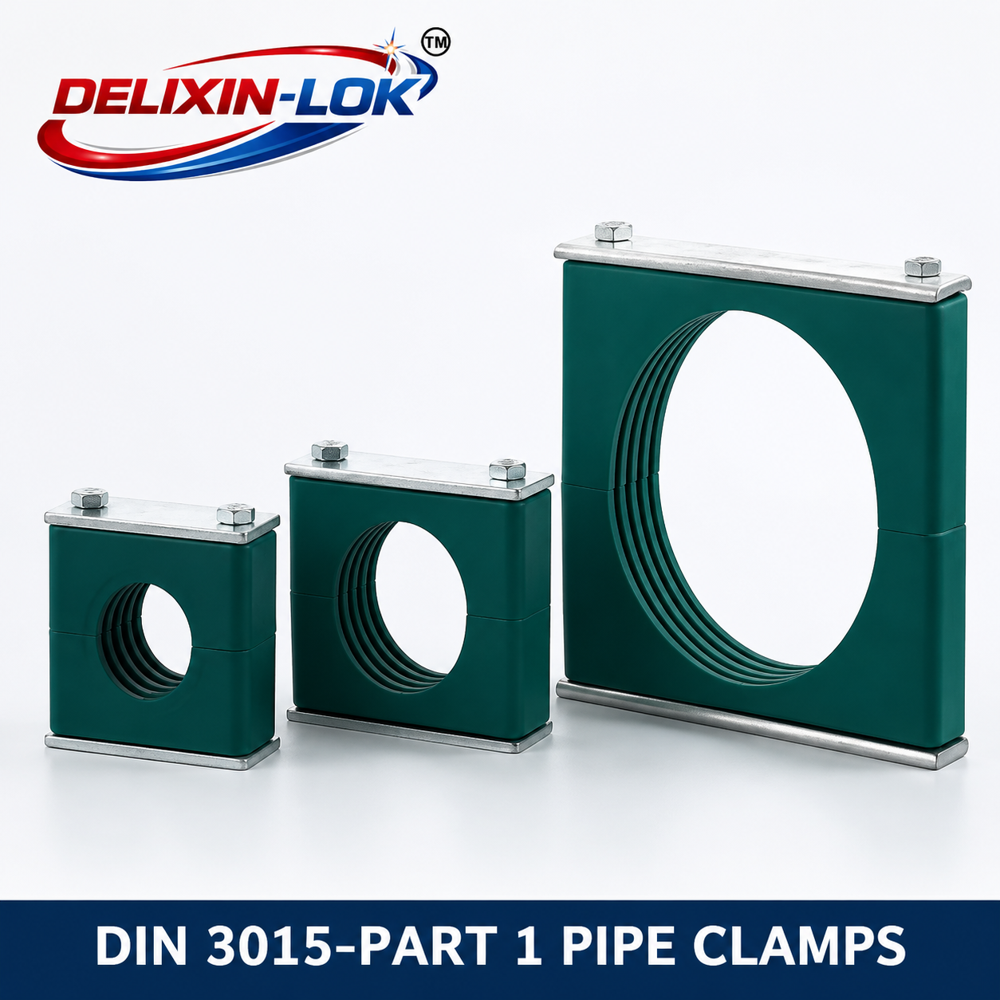
A: The selection depends on the load requirements and pipe arrangement. Heavy series are recommended for high-pressure or large-diameter pipes, while single and twin types are suitable for standard and parallel pipe configurations.
Q: Where can these clamps be used regarding environmental conditions?
A: Polypropylene clamps with galvanized steel parts show strong resistance to corrosion, chemicals, and UV exposure, making them suitable for both indoor and outdoor environments, depending on the grade of polypropylene chosen.
Q: What is the maximum temperature these pipe clamps can withstand?
A: The polypropylene body allows continuous operation at temperatures up to 90C, making them suitable for most industrial and process piping applications within this thermal range.
Q: How do these clamps benefit piping systems in terms of maintenance and longevity?
A: By providing a secure grip, effective damping, and corrosion resistance, these clamps reduce wear and mechanical stress on pipes, leading to fewer maintenance interventions and longer system life.






 Send Inquiry


 Send Inquiry
